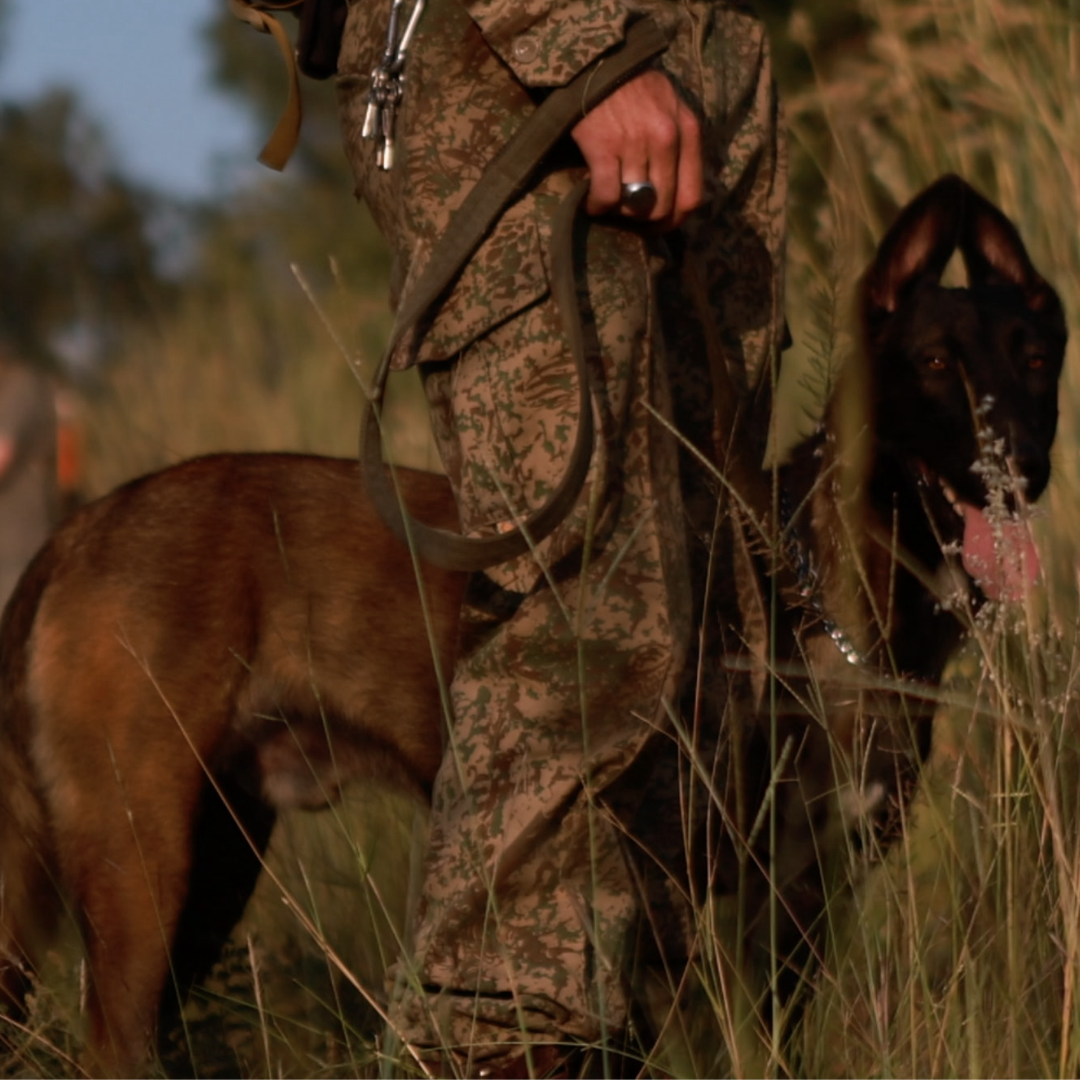
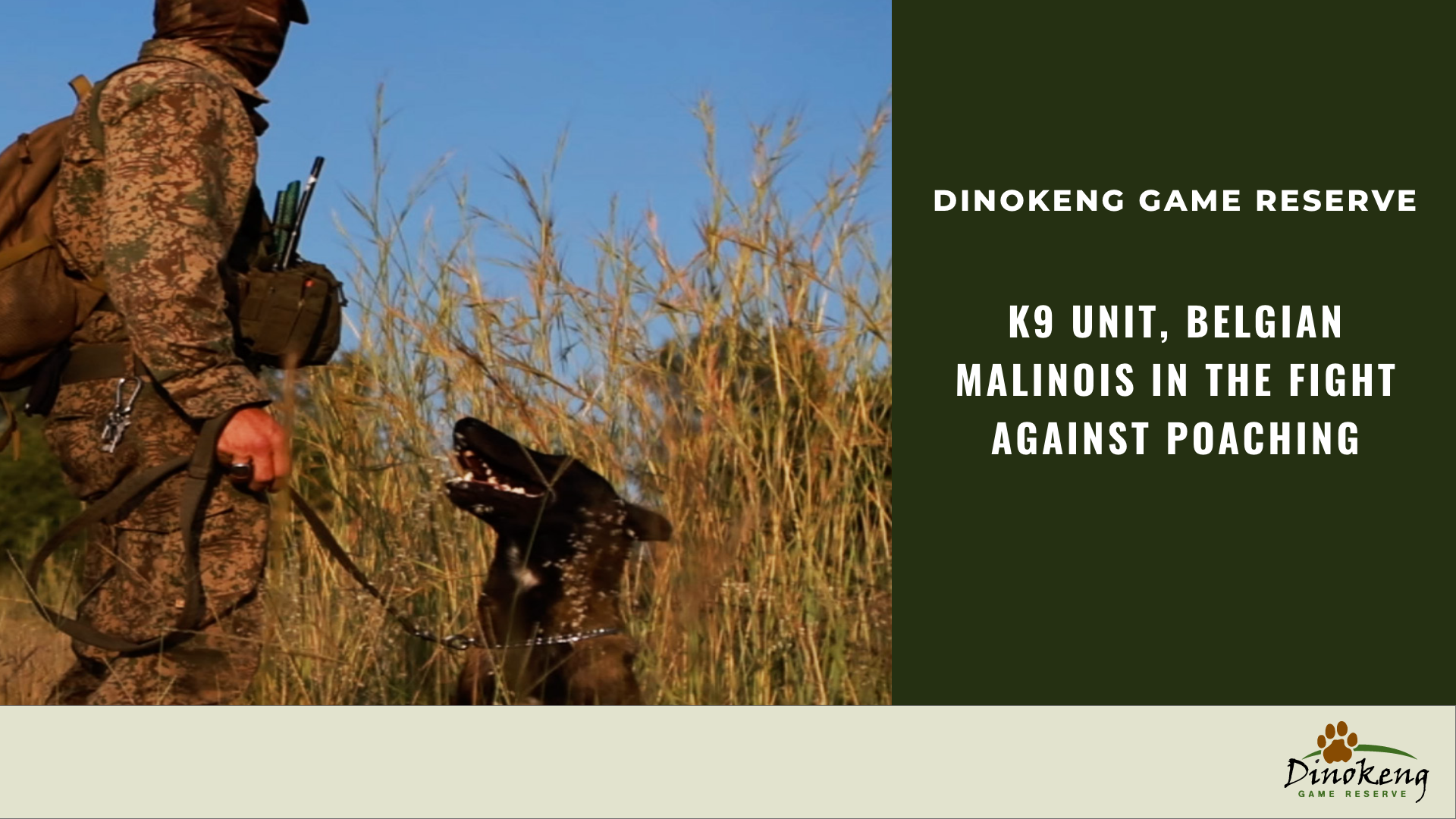
In the ongoing and ever present battle to protect wildlife and preserve natural habitats, the Belgian Malinois has emerged as a true hero. Known for their intelligence, agility, and unwavering dedication, these dogs are making significant contributions to anti-poaching and conservation efforts worldwide.
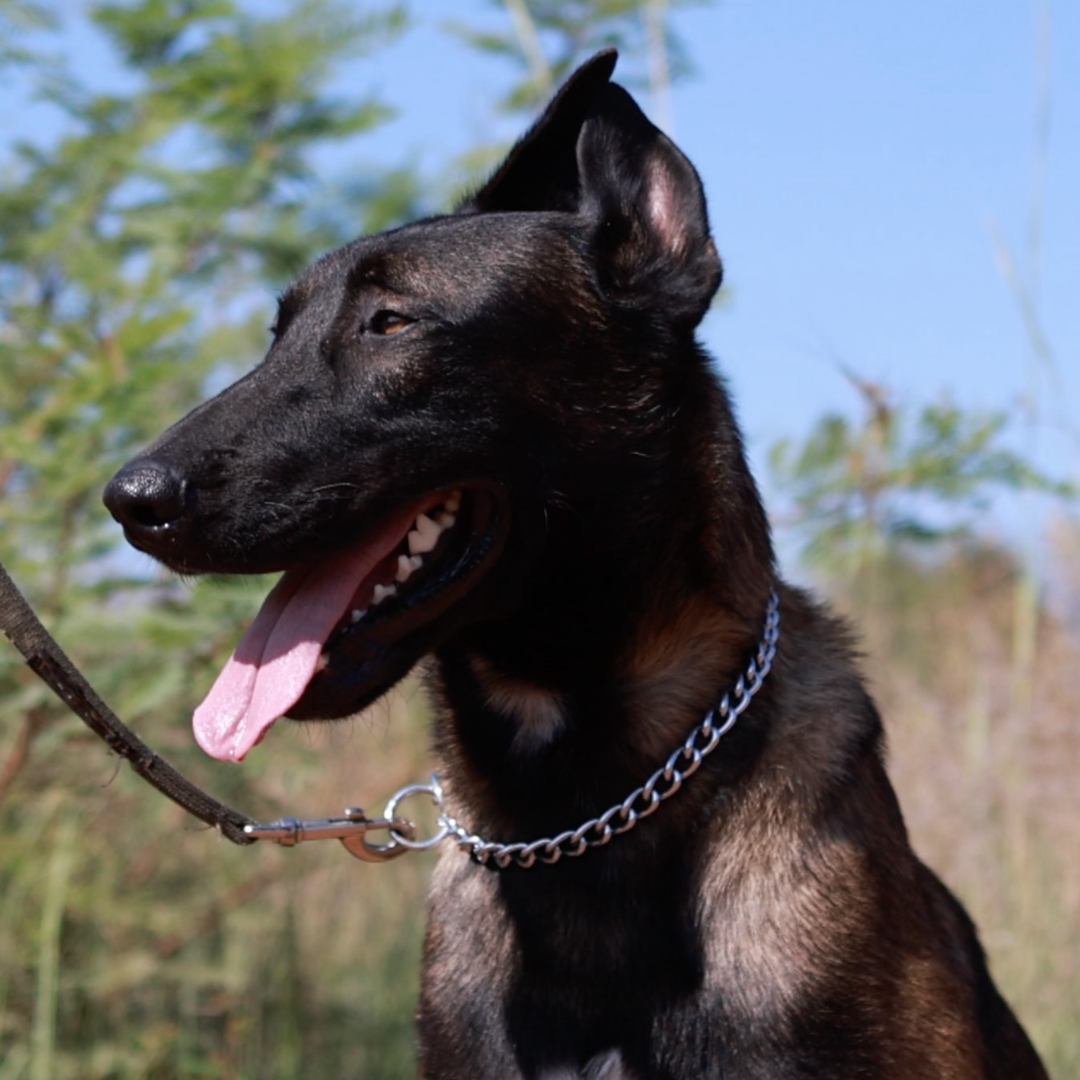
Originally bred in Belgium for herding and guarding livestock, the Belgian Malinois is a medium-sized dog with males standing 61–66 cm tall and females 56–61 cm tall. Males typically weigh 25–30 kg, while females weigh 20–25 kg. They have a short, dense, weather-resistant coat that ranges in colour from rich fawn to mahogany, complemented by a striking black overlay and mask.
With alert, intelligent, and confident personalities, Belgian Malinois possess a high energy level and are highly trainable. These traits make them ideal for demanding roles in anti-poaching and conservation work. Exceptional scent detection abilities, agility, speed, and obedience make them perfect for patrolling large conservation areas and aid rangers in preventing poaching activities and protecting endangered species.
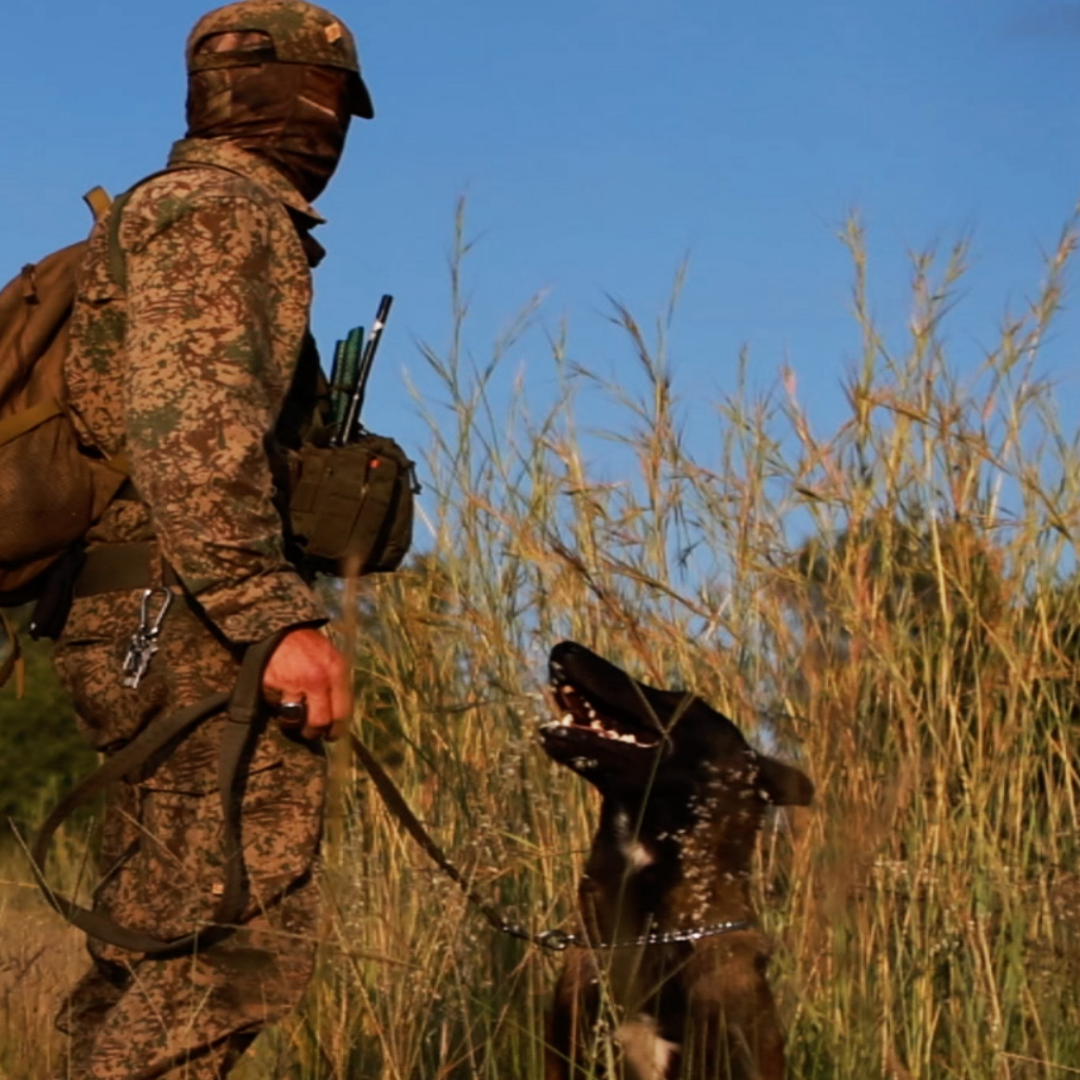
Deployed in national parks and game reserves across Africa and other regions facing poaching crises, these dogs are a crucial part of anti-poaching teams, often working alongside human rangers and conservationists. Belgian Malinois typically have a life expectancy of 12-14 years and thrive on activities such as running, playing fetch, agility training, and obedience exercises.
The Belgian Malinois has gained global recognition for its role in conservation efforts. Their high energy levels and need for mental stimulation make them perfect for the demanding work of anti-poaching, where they are constantly engaged and active. They can work under challenging conditions and show dedication to their tasks. Their strong bonds with their handlers are essential for effective teamwork in the field, and their presence has led to significant successes in preventing poaching activities and protecting endangered species.