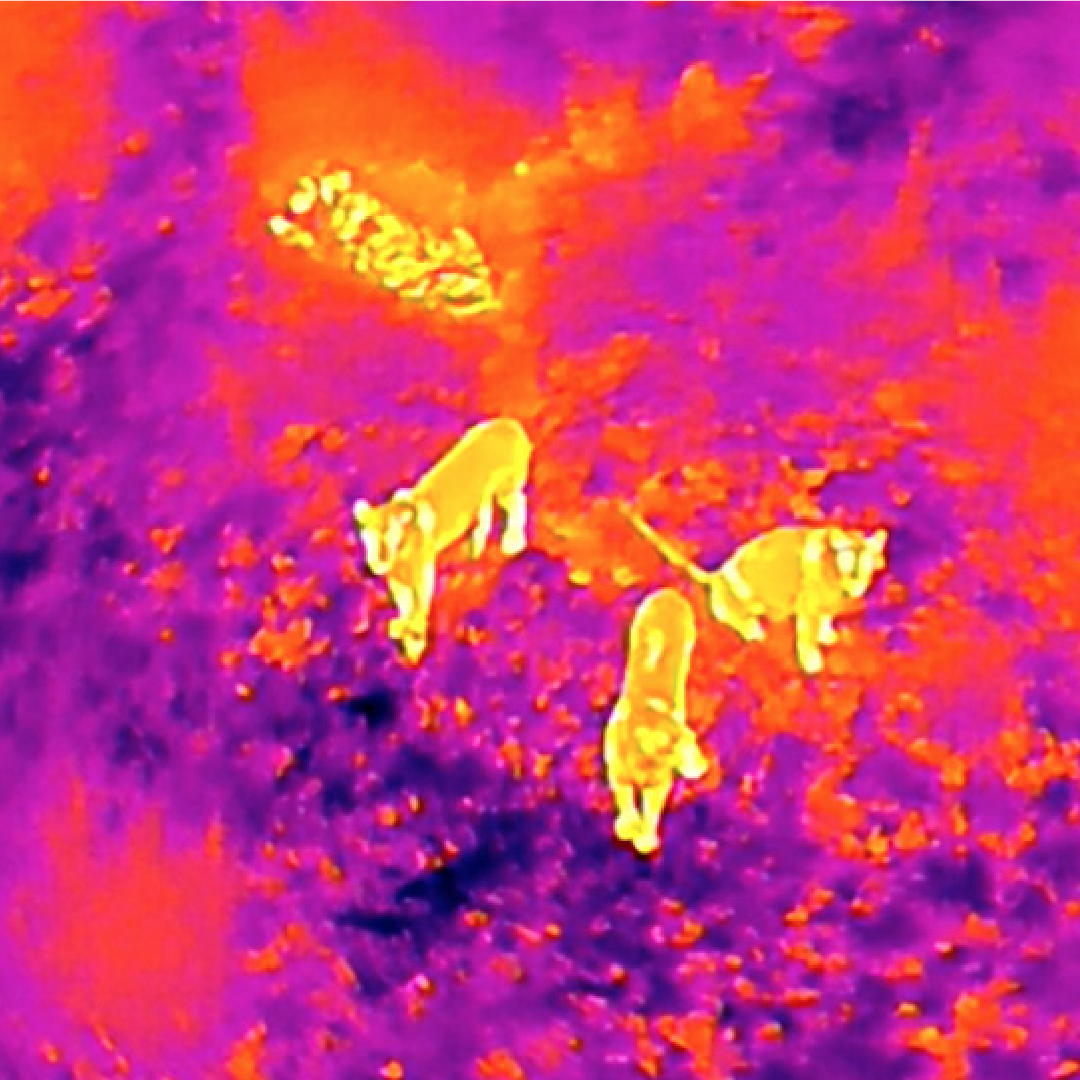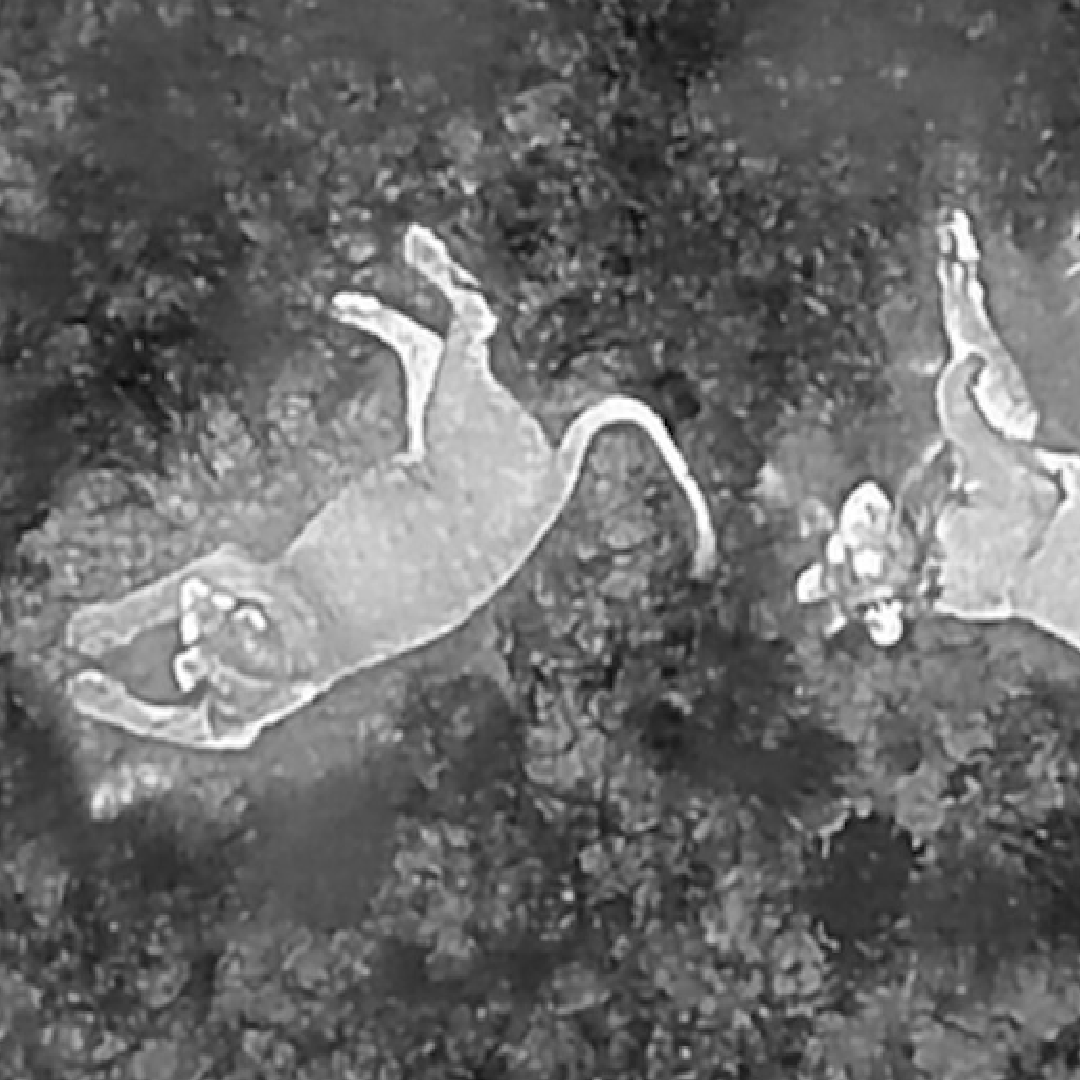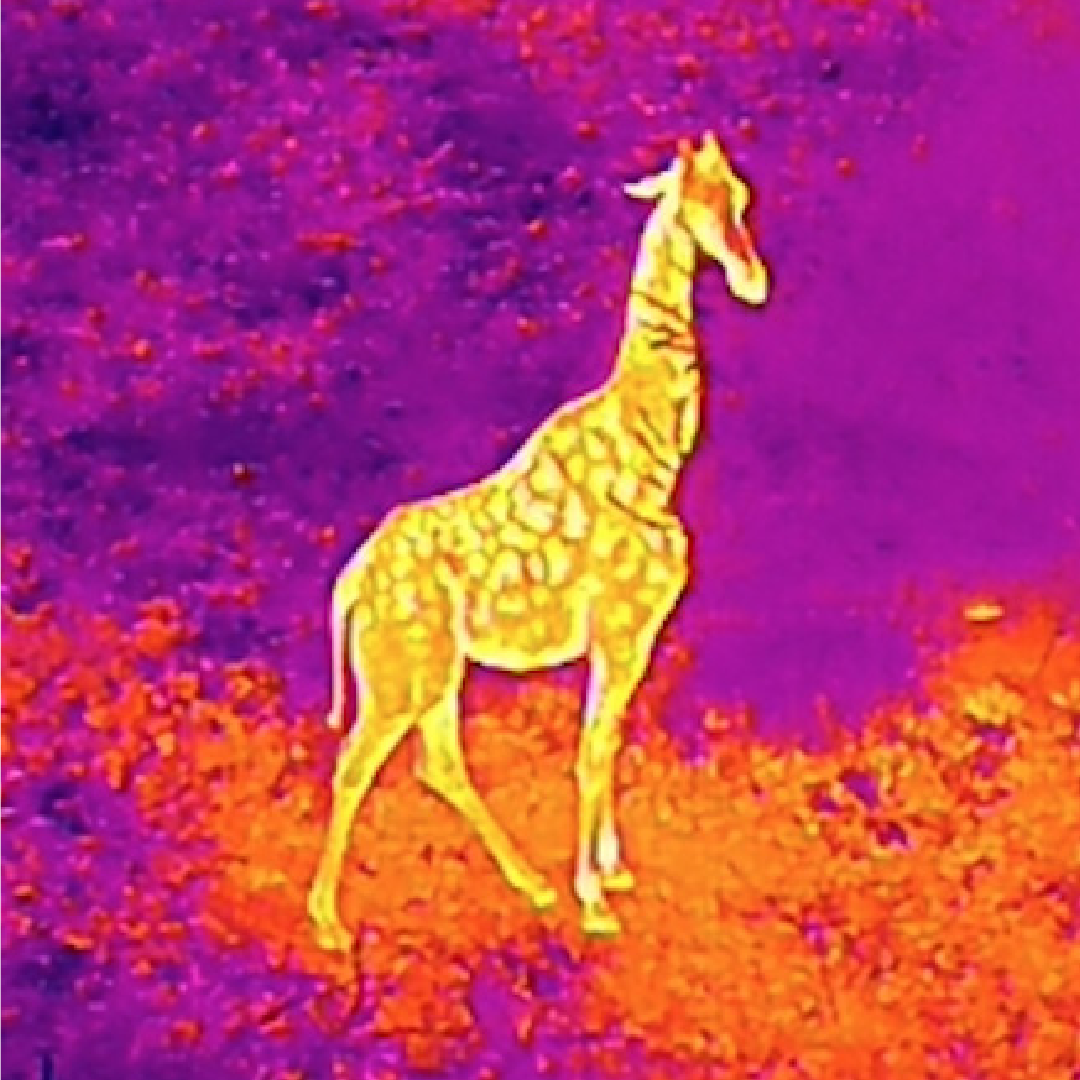
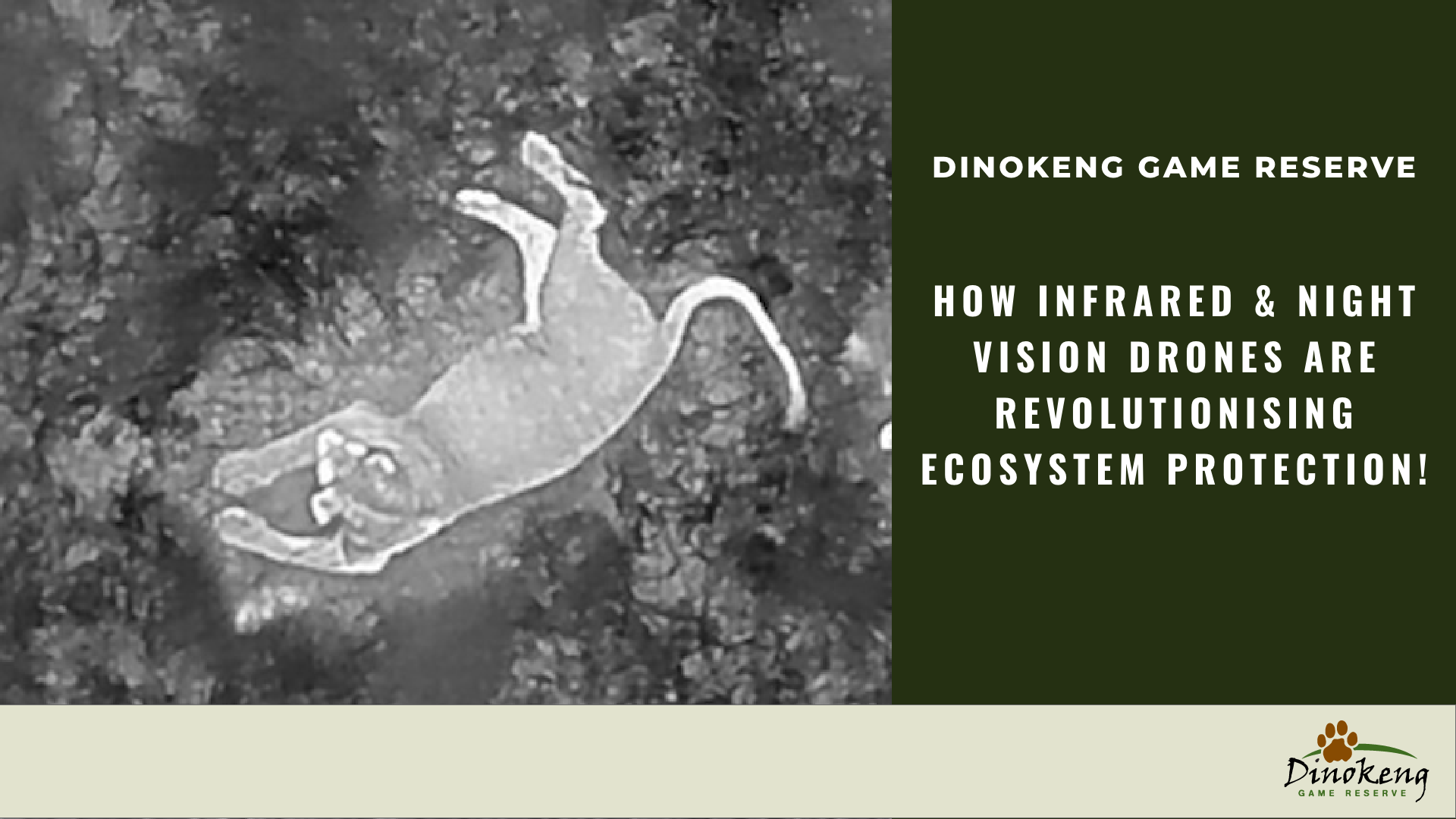
One of the most exciting and effective tools in wildlife preservation and habitat monitoring is the use of infrared and night vision drones. These advanced technologies are revolutionising the way we protect and study the diverse ecosystems within the reserve.
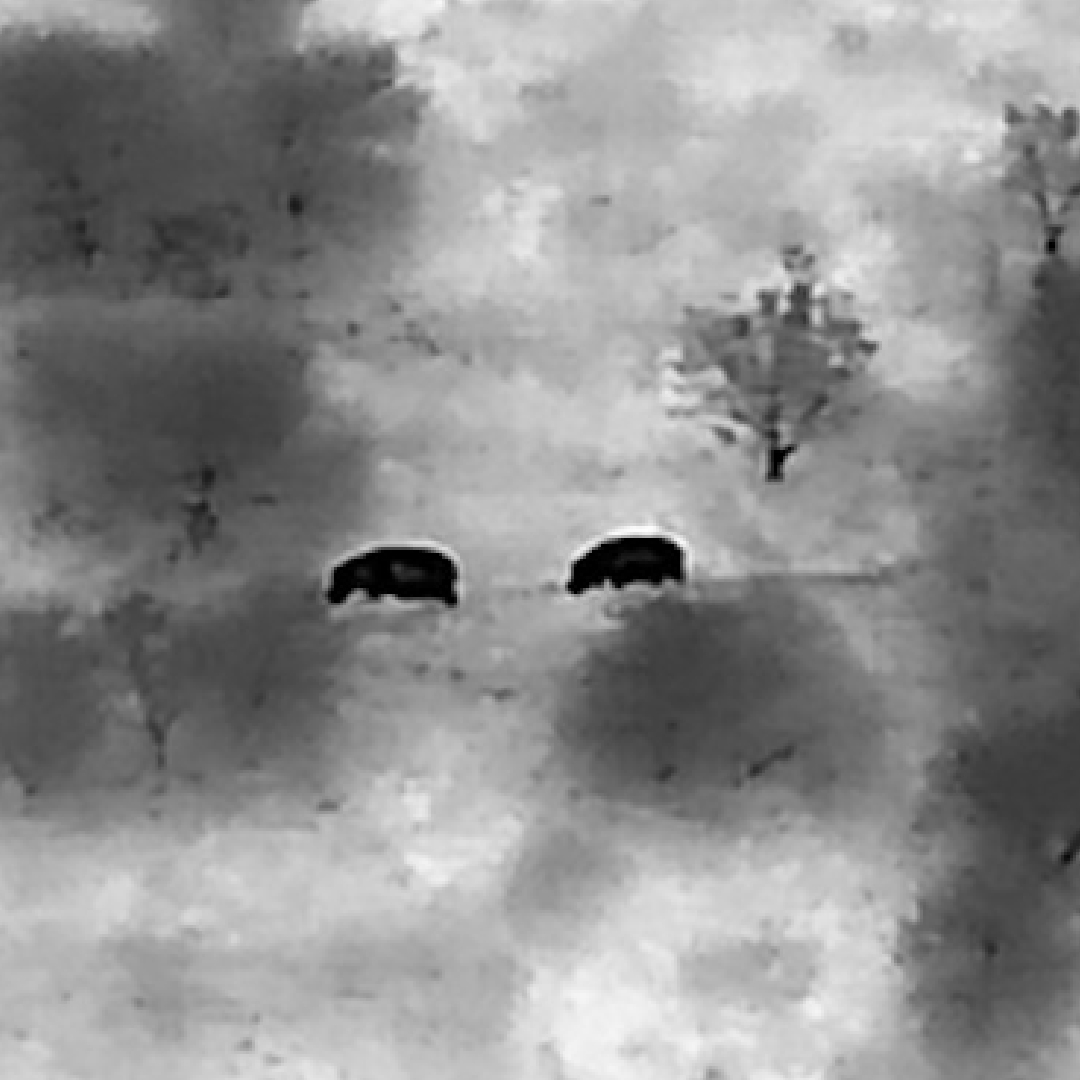
Infrared, thermal and night vision drones provide unparalleled capabilities for monitoring wildlife, especially nocturnal species that are active during the night. These drones can capture high-resolution images and videos, allowing researchers to observe animal behaviours and movements without disturbing their natural activities.
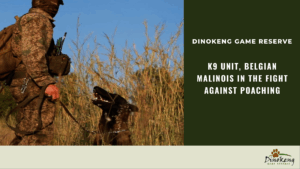
But perhaps the most critical application of these drones is in anti-poaching operations. Infrared technology enables the detection of heat signatures from animals and humans, making it easier to spot poachers in low-light conditions. By patrolling the reserve from above, drones can quickly identify and track suspicious activities, leading to more effective interventions and arrests.
Infrared drones are also invaluable for mapping and assessing the health of vegetation and habitats. By analysing thermal images, conservationists can identify areas of stress, disease, or damage in plant life. This information is crucial for targeted land regeneration and restoration efforts, ensuring that resources are directed where they are most needed.
Drones equipped with night vision capabilities can track the movements of tagged animals, providing data on their range, behaviours, and interactions. This information is essential for understanding species ecology and implementing effective management strategies.
Traditional monitoring methods often require human presence, which can disrupt wildlife and their habitats. Drones, however, can operate quietly and from a distance, reducing the human footprint and allowing for more accurate and less invasive data collection.
At Dinokeng Game Reserve, we are dedicated to leveraging technology to enhance our conservation efforts and it remains a key focus of reserve fundraising efforts and partnerships. By utilising these advanced tools, we not only improve the safety and security of our wildlife but also gain deeper insights into the health and dynamics of our natural environment.
A technology-driven approach is imperative in the fight against poaching and as we continue to explore and implement innovative solutions, we invite our visitors to learn about and support these initiatives.
Together, we can make a significant impact on the preservation and restoration of our precious natural heritage.